

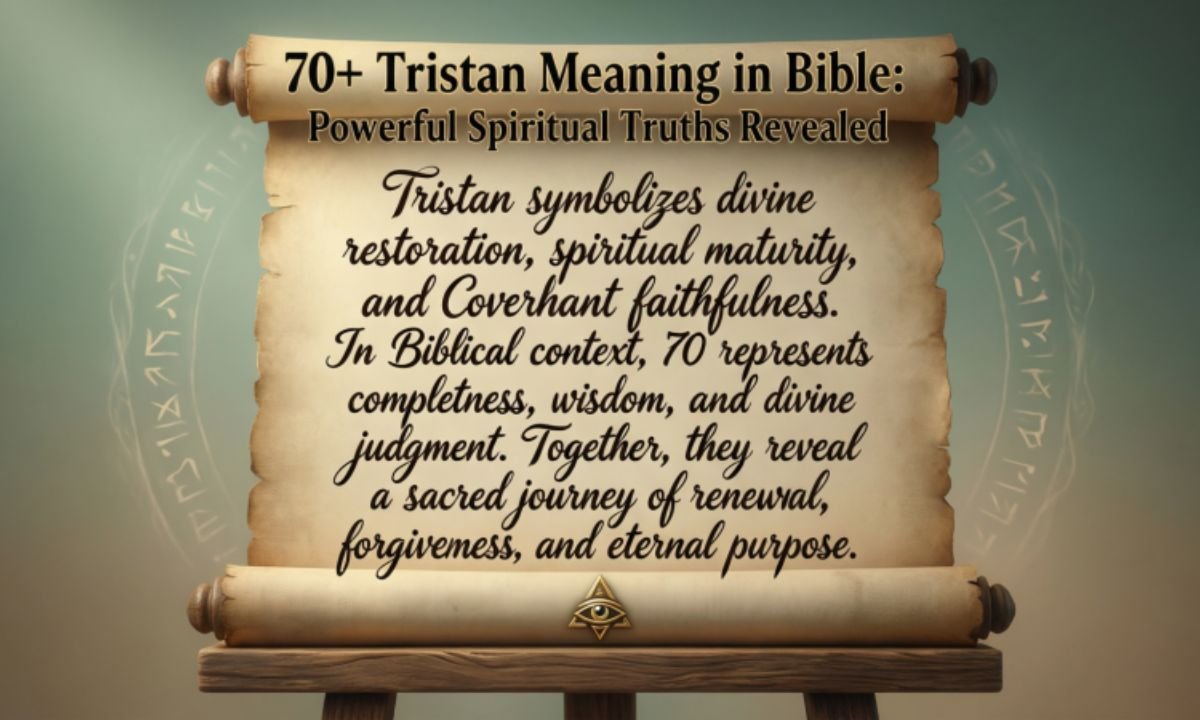
The name Tristan carries profound spiritual weight for Christian parents seeking meaningful names. While exploring Tristan meaning in Bible contexts, many discover surprising connections between this Latin-rooted name and biblical themes of redemption.
Understanding the biblical meaning of Tristan requires examining its etymological roots and spiritual symbolism. Though not directly mentioned in Scripture, Tristan embodies Christian values of transforming sorrow into strength through faith and divine purpose.
Is Tristan Mentioned in the Bible?

The name Tristan does not appear directly in biblical texts or Scripture. No biblical character bears this specific name in either Old or New Testament writings. The Christian meaning of the name Tristan emerges from its Latin etymology rather than explicit scriptural references.
Despite its absence from Scripture, many Christian families embrace Tristan for its spiritual resonance. The name’s meaning aligns with biblical narratives about redemption and faith. Understanding Tristan name spiritual significance requires looking beyond literal biblical mentions to thematic connections.
Read Also This: 120+ Good Morning Prayer for a Friend – Powerful, Heartfelt & Uplifting Blessings
Origin and Etymology of the Name Tristan
Tristan derives from the Latin meaning of Tristan, specifically from “tristis,” meaning sorrowful or sad. This Tristis meaning Latin connection reveals the name’s melancholic origins. The French adapted it as Tristan, spreading throughout medieval Europe with romantic and knightly associations.
The etymological journey shows how Tristan name origin and meaning evolved across cultures. While rooted in sorrow, Christian interpretation transforms this into spiritual depth. The name gained popularity through Arthurian legends, yet its spiritual meaning of the name Tristan transcends medieval tales.
Historical Roots of the Name Tristan
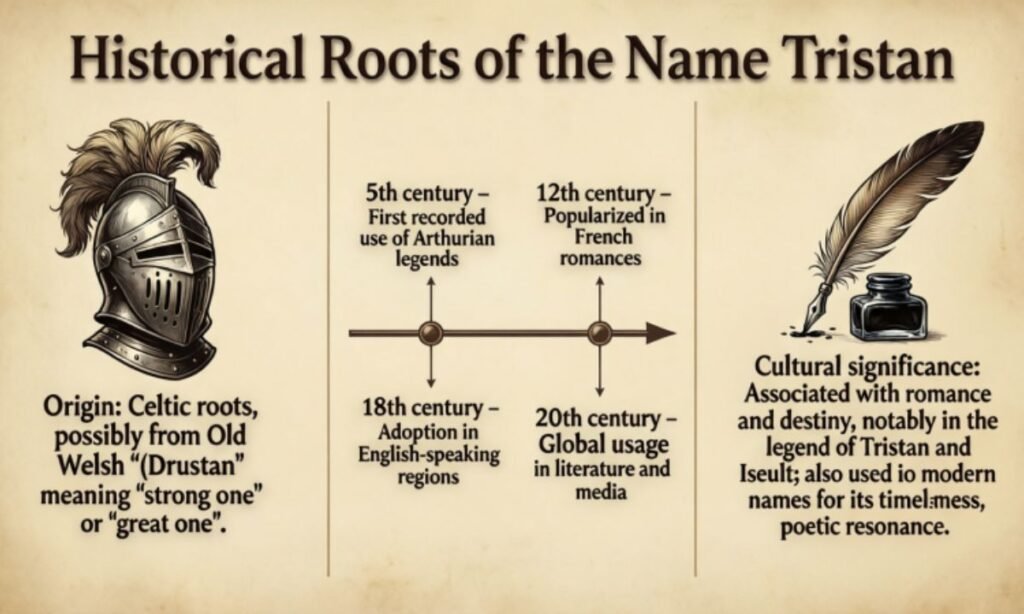
Medieval literature popularized Tristan through the tragic romance “Tristan and Isolde.” This Celtic-influenced tale spread across Europe during the Middle Ages. Historical records show the name’s usage among French and British nobility throughout the 12th and 13th centuries.
The name carried aristocratic connotations in medieval society, associated with chivalry and courtly love. Knights and noblemen often bore this name. Tristan biblical symbolism wasn’t emphasized historically, as the name’s literary associations dominated cultural consciousness during this period.
Tristan in Medieval Legends vs Christian Truth That Reflect Tristan Meaning In Bible
Medieval legends portrayed Tristan as a tragic hero caught in forbidden love. These stories emphasized earthly passion and human weakness. However, Christian symbolism of names reinterprets Tristan through biblical lenses of suffering, transformation, and divine purpose rather than romantic tragedy.
The biblical interpretation of names reveals deeper spiritual truths than medieval tales. While legends focused on sorrow and loss, Christian perspective sees redemptive possibilities. Tristan meaning in Bible contexts emphasizes how God transforms grief into glory, reflecting themes found throughout Scripture.
Spiritual Symbolism of the Name Tristan
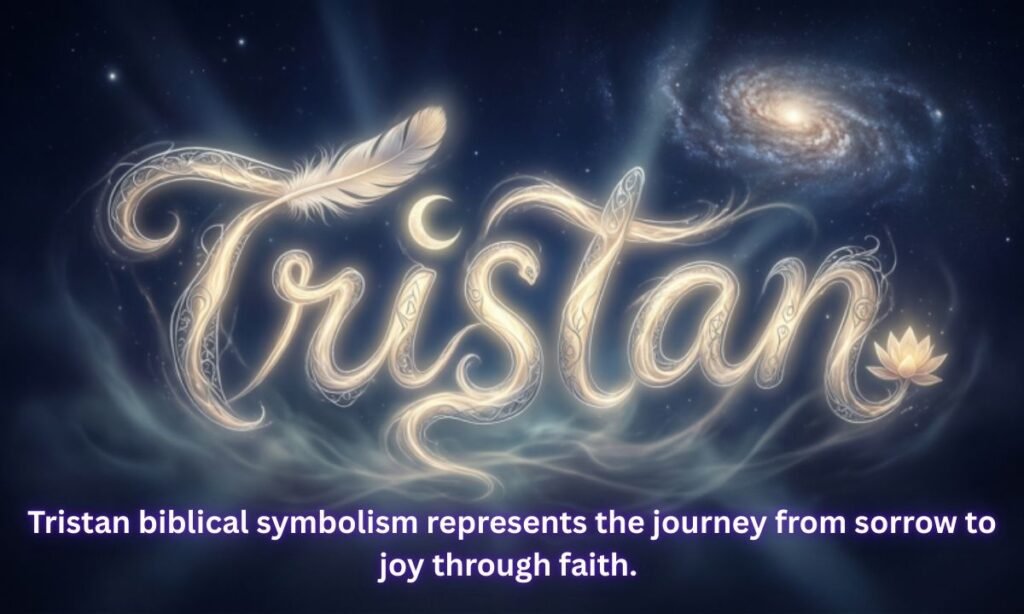
Tristan biblical symbolism represents the journey from sorrow to joy through faith. The name embodies biblical view of suffering and purpose, showing how trials refine believers. Like biblical figures who endured hardship, Tristan symbolizes transformation through divine grace and perseverance.
The spiritual depth connects to faith through trials Bible verses found throughout Scripture. Job, Joseph, and David all experienced profound sorrow before victory. Sorrow turned to strength in God’s plan perfectly captures Tristan’s spiritual essence, making it meaningful for Christian families.
Tristan’s Significance in Christian Faith
In Christian contexts, Tristan represents acknowledging life’s sorrows while trusting God’s redemptive power. The name reminds believers that suffering has purpose. Strength, hope, and resilience in Christianity emerge through trials, reflecting biblical promises about God working all things together for good.
Perseverance in the Bible stands as a central theme that Tristan embodies. The name encourages endurance through difficulties. Many Christian parents choose it because God’s purpose in suffering becomes testimony through the name’s meaning, inspiring faith despite life’s challenges.
Is Tristan Considered a Good Christian Name?
Is Tristan a good Christian name? Absolutely, many Christian families embrace it wholeheartedly. While not biblically mentioned, its spiritual themes align with Scripture. Christian baby names with meaning don’t require direct biblical appearance; thematic resonance matters more for most believing parents.
The name’s acceptance in Christian communities continues growing. Its Tristan name spiritual significance offers opportunities for faith discussions. Parents can teach children how God transforms sorrow into purpose, using the name’s meaning as a testimony to divine redemption and grace.
Tristan’s Association With Strength, Hope, and Resilience
The name powerfully symbolizes overcoming adversity through faith. Strength, hope, and resilience in Christianity define Tristan’s spiritual identity. Biblical heroes demonstrated these qualities repeatedly. The name serves as a constant reminder that challenges strengthen character and deepen dependence on God.
Resilience rooted in faith distinguishes biblical strength from worldly toughness. Tristan embodies this distinction beautifully. The name encourages believers to find hope amid trials, trusting God’s sovereignty. This association makes Tristan meaningful for families valuing perseverance and spiritual fortitude.
Symbolism of Names in the Bible and Tristan’s Connection
Names and identity in the Bible carried profound significance. Biblical names often reflected character, destiny, or divine purpose. Abraham, Sarah, and Israel all received name changes marking spiritual transformation. Biblical symbolism of sorrow appears throughout Scripture, always pointing toward redemption.
Tristan name in Scripture doesn’t exist literally, yet its thematic connections run deep. The biblical pattern of transforming suffering into blessing mirrors Tristan’s etymological journey. Understanding Christian symbolism of names helps parents recognize how Tristan fits within broader biblical naming traditions.
Gender Identity: Is Tristan a Name for Boys or Girls?
Traditionally, Tristan functions as a masculine name across most cultures. Historical usage strongly favors boys, though modern trends show increasing flexibility. In Christian communities, Tristan remains predominantly male, though some families choose it for daughters seeking strong, meaningful names.
The name’s gender usage varies by region and personal preference. Most English-speaking countries recognize Tristan as masculine. However, contemporary naming practices allow parents greater freedom. The spiritual meaning transcends gender boundaries, making it appropriate for any child whose parents value its symbolism.
Modern Interpretations of Tristan in Biblical Context
Contemporary Christians increasingly view Tristan through redemptive theological lenses. Modern biblical interpretation of names emphasizes grace narratives. Today’s families appreciate how Tristan meaning in Bible contexts speaks to transformation, seeing the name as testimony to God’s power changing mourning into dancing.
Modern faith communities recognize names need not appear in Scripture to carry biblical weight. Spiritual meaning of the name Tristan resonates with New Testament themes of resurrection and new creation. This interpretation reflects evolving understanding of how God’s truth manifests across cultures and languages.
Tristan Compared With Other Biblical-Inspired Names
Tristan compared to biblical names reveals interesting parallels. Names like Job (suffering), Naomi (pleasant turned bitter), and Thomas (doubter) all carry complex meanings. These biblical names embrace human experience honestly while pointing toward divine faithfulness and ultimate redemption through God’s intervention.
Christian baby names with meaning include both explicitly biblical names and those with spiritual themes. Consider this comparison:
| Name | Origin | Meaning | Biblical Theme |
| Tristan | Latin | Sorrowful | Redemption through trials |
| Job | Hebrew | Persecuted | Faith amid suffering |
| Asher | Hebrew | Happy/Blessed | Joy after sorrow |
| Naomi | Hebrew | Pleasant | Bitterness to blessing |
| Emmanuel | Hebrew | God with us | Divine presence |
Cultural and Racial Perspectives Around the Name Tristan
Tristan enjoys widespread usage across diverse ethnic communities. European heritage dominates its historical usage, but modern adoption spans cultures.
African American, Hispanic, Asian, and multiracial families embrace the name. Its universal themes of overcoming adversity resonate across cultural boundaries and racial identities.
Different cultures emphasize various aspects of Tristan’s meaning. Some highlight strength, others redemption or hope.
The name’s flexibility allows families to infuse their cultural perspectives while maintaining core spiritual significance. This adaptability makes Tristan appealing across the global Christian community.
Five Spiritual Symbols Embedded in Tristan’s Identity
Tristan biblical symbolism encompasses multiple spiritual dimensions that reflect Christian theology:
1. Transformation Through Faith – The journey from sorrow to strength mirrors conversion experiences. Just as God transforms hearts, Tristan symbolizes radical spiritual change.
2. Redemptive Suffering – The name embodies God’s purpose in suffering, teaching that trials produce perseverance. Romans 5:3-5 perfectly captures this principle.
3. Hope in Adversity – Tristan represents unwavering hope despite circumstances. This aligns with biblical promises found in Jeremiah 29:11 about God’s good plans.
4. Divine Purpose – Every challenge serves God’s greater plan. The name reminds believers that sorrow turned to strength in God’s plan reveals His sovereignty.
5. Spiritual Resilience – Perseverance in the Bible characterizes faithful believers. Tristan embodies endurance rooted in Christ, reflecting James 1:2-4’s teachings about trials producing maturity.
Tristan as a Christian Name—The Verdict
Is Tristan a good Christian name? The verdict leans strongly positive. While lacking direct scriptural mention, its spiritual themes align beautifully with biblical truth.
The Christian meaning of the name Tristan offers rich teaching opportunities about faith, redemption, and God’s transformative power throughout life’s journey.
Christian parents seeking meaningful names beyond traditional biblical options find Tristan compelling.
Its Tristan name spiritual significance provides conversation starters about faith. The name serves as testimony to God’s grace, making it an excellent choice for families valuing both meaning and spiritual depth.
Separating Medieval Legend from Biblical Truth
Medieval legends presented Tristan as tragic and earthly-focused. These stories emphasized human passion over divine purpose. Biblical interpretation of names requires distinguishing literary tradition from spiritual truth.
While legends entertain, biblical perspective transforms Tristan’s meaning into testimony about God’s redemptive work and sovereign purposes.
Christian families can appreciate medieval literature while embracing biblical truth. The name’s etymology remains constant, but interpretation changes everything. Tristan meaning in Bible contexts completely transforms medieval tragedy into gospel hope.
This distinction helps parents understand why Tristan works as a Christian name despite legendary associations.
Read Also This: 40 Prayer Points for Unity: Transform Your Family, Church & Community Today
Bible Verses Perfect for a Child Named Tristan
Parents naming their child Tristan can draw inspiration from Scripture verses about transformation and perseverance:
Romans 8:28 – “And we know that in all things God works for the good of those who love him.” This verse perfectly encapsulates Tristan’s redemptive meaning.
James 1:2-4 – “Consider it pure joy, my brothers and sisters, whenever you face trials of many kinds, because you know that the testing of your faith produces perseverance.”
Psalm 30:5 – “Weeping may stay for the night, but rejoicing comes in the morning.” This captures sorrow turned to strength in God’s plan beautifully.
2 Corinthians 4:17 – “For our light and momentary troubles are achieving for us an eternal glory that far outweighs them all.” Perfect for understanding Tristan’s spiritual significance.
Isaiah 61:3 – “To bestow on them a crown of beauty instead of ashes, the oil of joy instead of mourning.” This represents biblical view of suffering and purpose.
Jeremiah 29:11 – “For I know the plans I have for you, declares the Lord, plans to prosper you and not to harm you, plans to give you hope and a future.”
Romans 5:3-5 – These faith through trials Bible verses explain how suffering produces perseverance, character, and hope through God’s love.
Philippians 4:13 – “I can do all this through him who gives me strength.” This embodies strength, hope, and resilience in Christianity perfectly.
Conclusion
Tristan meaning in Bible contexts reveals powerful spiritual truths about transformation through faith. Though absent from Scripture, this name embodies biblical themes of redemption, perseverance, and God’s sovereign purpose in human suffering.
Choosing Tristan means embracing a name rich with spiritual meaning of the name Tristan and theological depth.
Christian families find it meaningful because Tristan biblical symbolism teaches children that sorrow never defines them, God’s redemptive power does always victoriously.
Frequently Asked Questions
What does the name Tristan mean in the Bible?
The name Tristan does not appear directly in the Bible, but it is often spiritually linked to themes of sorrow, strength, and redemption.
Is Tristan a biblical name with spiritual meaning?
Tristan is not a biblical name, yet many associate it with biblical ideas of perseverance through trials and inner faith.
What is the spiritual meaning of Tristan according to the Bible?
Spiritually, Tristan can symbolize overcoming sadness through trust in God and growing stronger through adversity.
Does the Bible mention anyone named Tristan?
The Bible does not mention Tristan specifically, but its meaning is often interpreted using biblical principles of hope and endurance.
What biblical traits are connected to the name Tristan?
Traits such as resilience, emotional depth, and spiritual growth are commonly linked to Tristan through biblical interpretation.
Can the name Tristan have a Christian meaning?
Yes, Christians often associate Tristan with God’s comfort in suffering and the promise of restoration found in Scripture.
What does the name Tristan symbolize spiritually?
Spiritually, Tristan symbolizes transformation through hardship and learning to rely on God’s grace.
Is Tristan associated with any biblical virtues?
Tristan is often connected to virtues like patience, faith during trials, and inner strength inspired by biblical teachings.
How can Tristan be interpreted from a biblical perspective?
From a biblical perspective, Tristan reflects the journey from sorrow to spiritual maturity through faith.
What message does the name Tristan carry for believers?
For believers, Tristan can represent trusting God during difficult seasons and emerging with renewed purpose.

PrayersPeace is a serene space of prayers and verses, authored by Dome — a dedicated SEO content writer with 5 years of experience, blending faith, words, and digital strategy to inspire peace.