

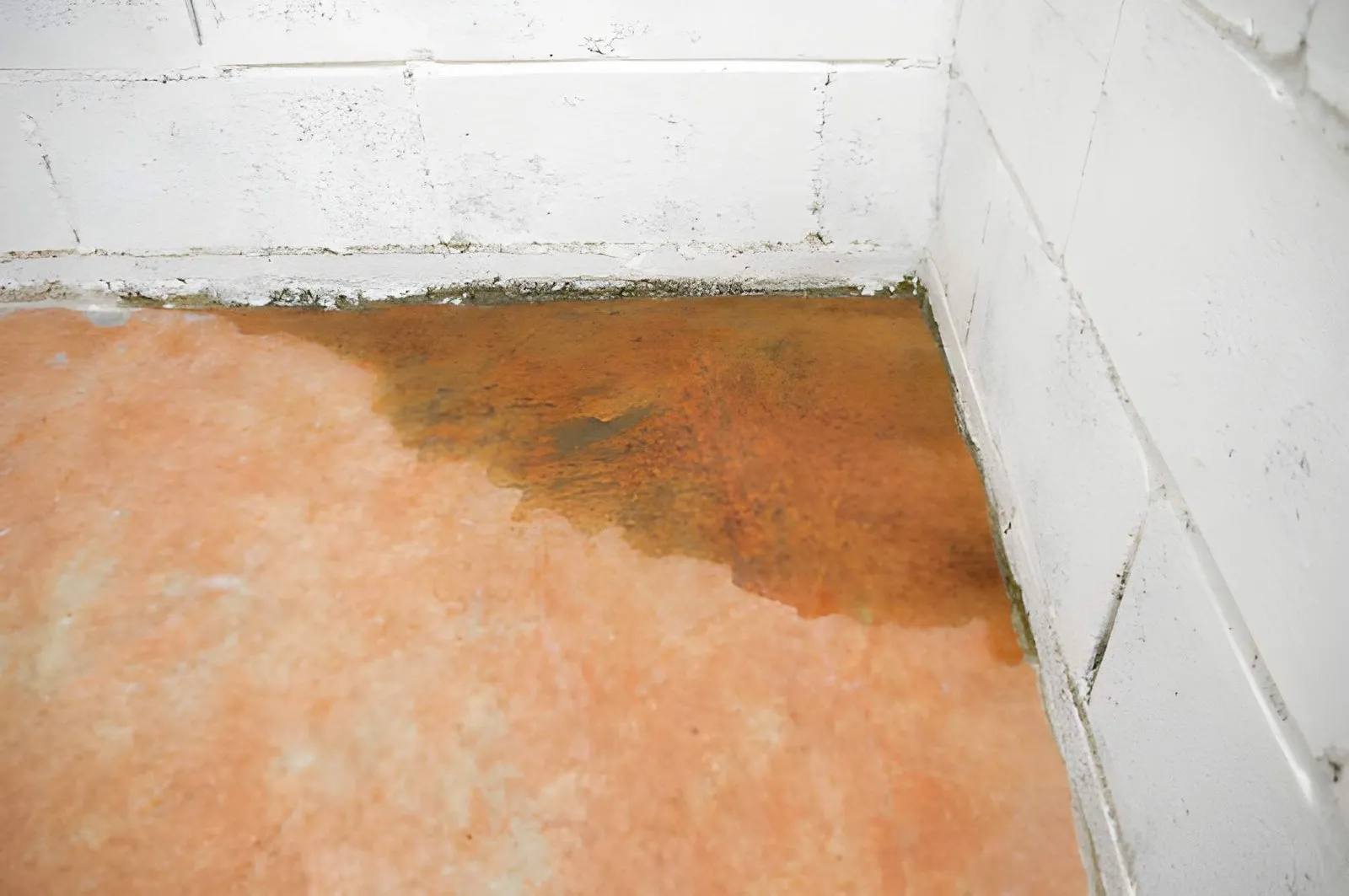
Water intrusion at the junction where the basement wall meets the floor is a common concern for many homeowners, especially in regions with heavy rainfall or fluctuating groundwater levels. This issue can lead to persistent dampness, mold growth, and even structural damage if left unaddressed. Understanding the causes behind this seepage is crucial for maintaining a dry and healthy basement environment. By identifying the underlying factors and recognizing the signs early, homeowners can take effective steps to prevent water from entering their basements and protect their property from long-term damage.
What Causes Water Seepage in Basements
The Role of Hydrostatic Pressure
One of the primary reasons water seeps in where the basement wall meets the floor is due to hydrostatic pressure. This pressure builds up when the soil surrounding your home becomes saturated with water, often after heavy rain or snowmelt. As the water accumulates, it exerts force against the basement walls and floor. Since the joint where the wall meets the floor is a natural weak point, water is more likely to find its way through any small cracks or gaps in this area. Over time, repeated exposure to hydrostatic pressure can widen these openings, making the problem worse. Homeowners may notice damp spots, puddles, or even a musty odor as a result of this ongoing seepage. Addressing hydrostatic pressure often involves improving exterior drainage and ensuring that gutters and downspouts direct water away from the foundation.
Foundation Cracks and Construction Joints
Another significant factor contributing to water seepage at the wall-floor joint is the presence of foundation cracks and construction joints. During the construction of a basement, the floor slab and the walls are typically poured separately, creating a cold joint where the two meet. This joint is inherently more vulnerable to water intrusion, especially if the concrete was not properly sealed or if the soil around the foundation settles over time. Small cracks can develop due to natural settling, temperature changes, or minor shifts in the ground. These cracks provide a direct pathway for water to enter the basement. Homeowners in Columbus often seek Basement Waterproofing Columbus services to address these vulnerabilities and prevent further water damage. Sealing cracks and reinforcing the joint can help reduce the risk of seepage, but ongoing maintenance is essential to ensure long-term protection.
Poor Exterior Drainage and Grading
The effectiveness of your home’s exterior drainage system plays a crucial role in preventing water from seeping into the basement. If the ground around your foundation slopes toward the house, rainwater and melting snow can accumulate near the walls, increasing the likelihood of seepage at the wall-floor joint. Poorly maintained gutters, clogged downspouts, or inadequate drainage systems can exacerbate this problem by allowing water to pool around the foundation. Over time, this excess moisture can penetrate the basement through even the smallest openings. Ensuring that the landscape is properly graded away from the house and that all drainage components are functioning correctly can significantly reduce the risk of water intrusion. Regular inspections and prompt repairs are necessary to maintain effective drainage and protect your basement from moisture problems.
The Impact of Seasonal Changes
Seasonal changes can have a significant impact on basement water seepage. During periods of heavy rainfall or rapid snowmelt, the water table around your home can rise, increasing the pressure on basement walls and floors. In colder climates, the freeze-thaw cycle can cause the soil to expand and contract, leading to cracks in the foundation and further weakening the wall-floor joint. These seasonal fluctuations can make it difficult to predict when and where water will enter the basement, but being aware of the patterns can help homeowners take preventive measures. Installing a sump pump or improving insulation around the foundation can help manage water levels and reduce the risk of seepage during extreme weather conditions.
Signs of Water Seepage
Recognizing the signs of water seepage early can help prevent more serious damage to your basement. Common indicators include damp or discolored spots on the floor or walls, a persistent musty smell, visible mold growth, or the presence of efflorescence—a white, powdery residue left behind by evaporating water. In some cases, you may notice standing water or puddles forming near the wall-floor joint after heavy rain. These signs suggest that water is finding its way into the basement and that immediate action is needed to address the underlying cause. Ignoring these warning signals can lead to more extensive repairs and higher costs in the future.
Preventing Water Seepage
Preventing water seepage at the basement wall-floor joint involves a combination of interior and exterior solutions. On the exterior, maintaining proper grading, cleaning gutters, and extending downspouts can help keep water away from the foundation. Installing a French drain or other drainage systems can further reduce the risk of water accumulation around the basement walls. Inside the basement, sealing cracks, applying waterproof coatings, and installing a sump pump can provide additional protection. Regular maintenance and inspections are key to ensuring that these measures remain effective over time. By taking a proactive approach, homeowners can minimize the risk of water intrusion and maintain a dry, healthy basement environment.
Quick Tips for a Dry Basement
Keeping your basement dry starts with regular maintenance and vigilance. Check for cracks or gaps at the wall-floor joint, ensure gutters and downspouts are clear, and monitor the grading around your home. Addressing small issues promptly can prevent larger problems down the road and help maintain the integrity of your basement.
Conclusion
Water seepage where the basement wall meets the floor is a common but manageable issue for homeowners. Understanding the causes, such as hydrostatic pressure, foundation cracks, poor drainage, and seasonal changes, is essential for effective prevention and repair. By recognizing the early signs of water intrusion and implementing a combination of interior and exterior solutions, homeowners can protect their basements from moisture damage. Regular inspections, prompt repairs, and ongoing maintenance are crucial for keeping basements dry and safe. Taking these steps not only preserves the structural integrity of your home but also ensures a healthier living environment for you and your family.

PrayersPeace is a serene space of prayers and verses, authored by Dome — a dedicated SEO content writer with 5 years of experience, blending faith, words, and digital strategy to inspire peace.